We use cookies to make this site work. We'd also like to set optional cookies so we can understand how the site is used and improve it. We will not set optional cookies unless you accept them. You can change your choice at any time from the Cookie settings link in the footer.
Strictly necessary cookies
These cookies are required for the site to work. They store your cookie preferences and keep your session secure. They are exempt from consent under PECR Regulation 6(4) because they are essential to deliver the service you have requested.
Optional cookies
Optional cookies help us understand how the site is used and provide additional features such as analytics, accessibility tools and translation. We will only set them if you accept.
Urgent care services
Urgent treatment centres and minor injuries units are equipped to diagnose and deal with many of the most common ailments people attend emergency departments for, including sprains, minor burns, and minor illness.
Yes
- minor illnesses (suspected chest, urinary, eye, ear, skin or throat infection)
- worsening of existing long term/chronic conditions
- abdominal (tummy) pain
- possible fractures (with no obvious deformities/bones sticking out) to arms and legs, fingers, toes, knee,
- minor dislocations of fingers and toes
- sprains and strains
- head injuries with no loss of consciousness / nothing sticking out
- removal of objects from ears / nose
- abscesses / bites
- new cuts and wounds
- small burns or scalds
- small eye injuries and objects in the eye (not in the eyeball)
- emergency contraception
- minor pregnancy issues.
No
- major trauma
- cardiac chest pain
- strokes
- head injury while on anticoagulant medication
- potential hip or spinal fractures
- potential face or skull fractures
- fractures with obvious deformity, for example, bones sticking out
- pregnancy issues, for example, labour / breathing issues/chest pain/ lack of baby movement
- social problems
- drug or alcohol-related problems
- mental health conditions
- dental issues
- any management of long term/chronic conditions
- second opinion on an ongoing condition
- routine repeat prescriptions.
Find urgent care services
You can visit a centre without an appointment if you have an urgent condition that needs to be seen on the same day.
Appointments can also be booked by contacting NHS 111 by phone or online. By using NHS 111, you will know you are going to the right place for treatment.
Details are correct at time of publishing but are subject to change.
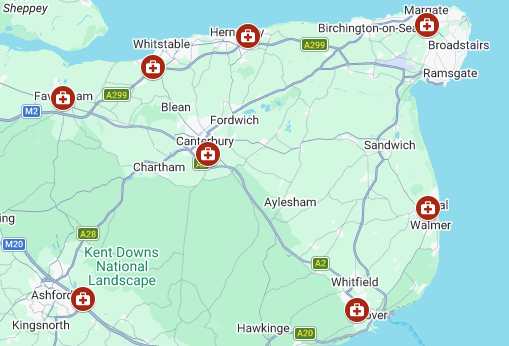
To check waiting times at the local UTC's please use the following link - Waiting times